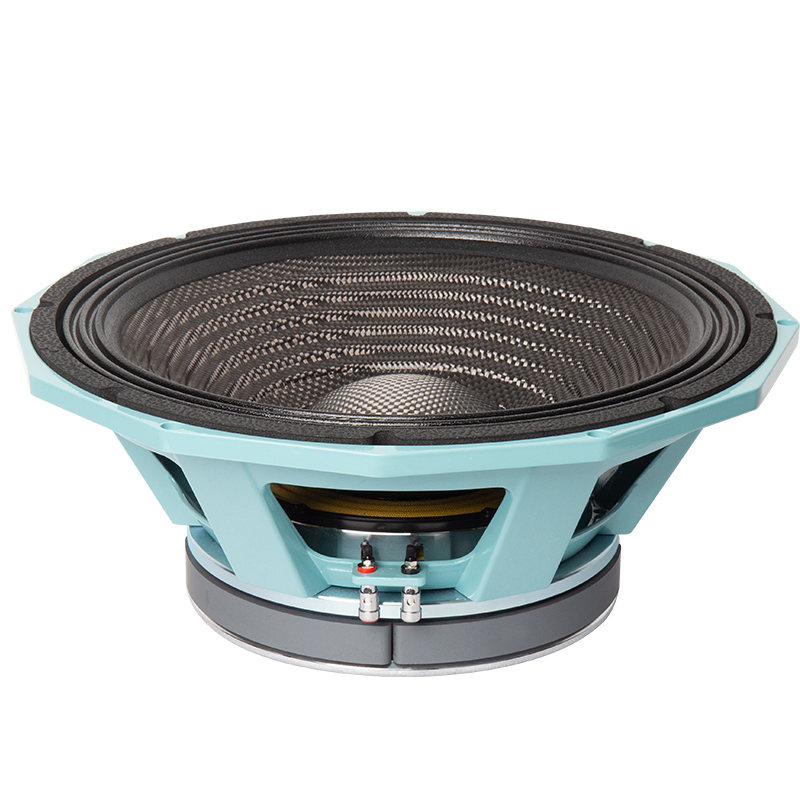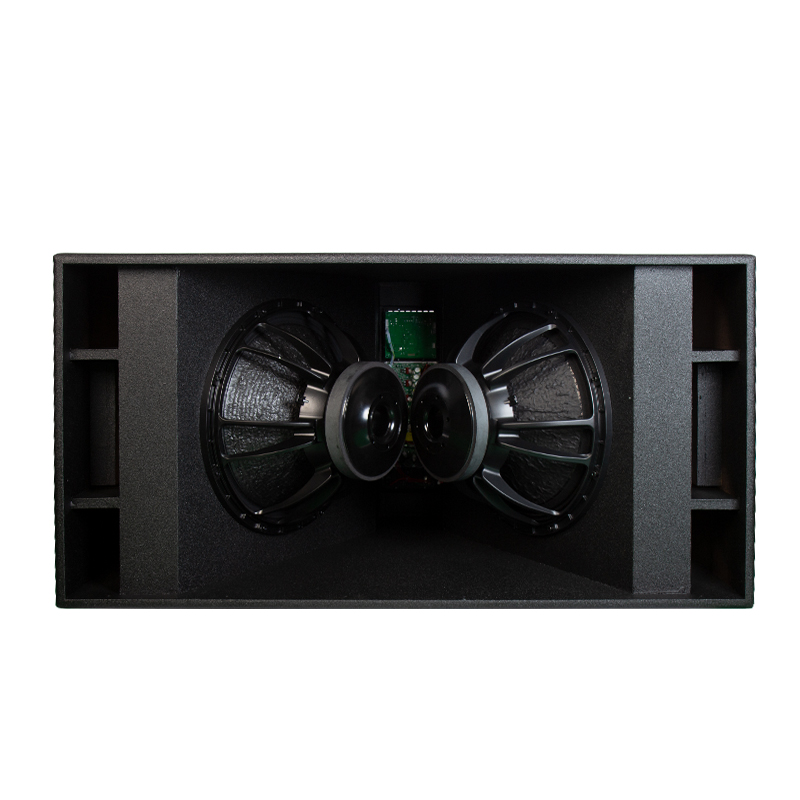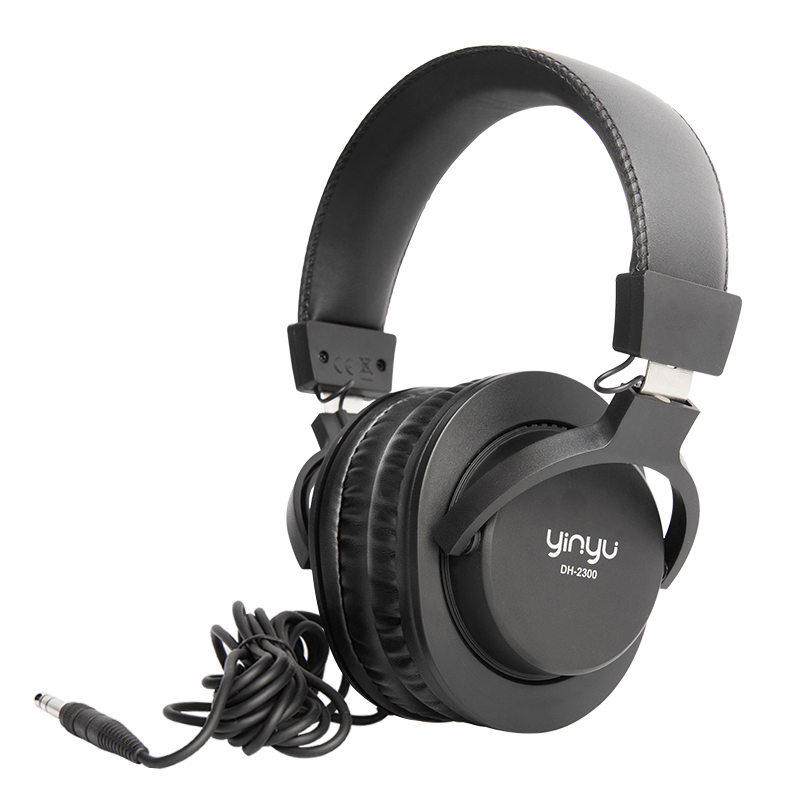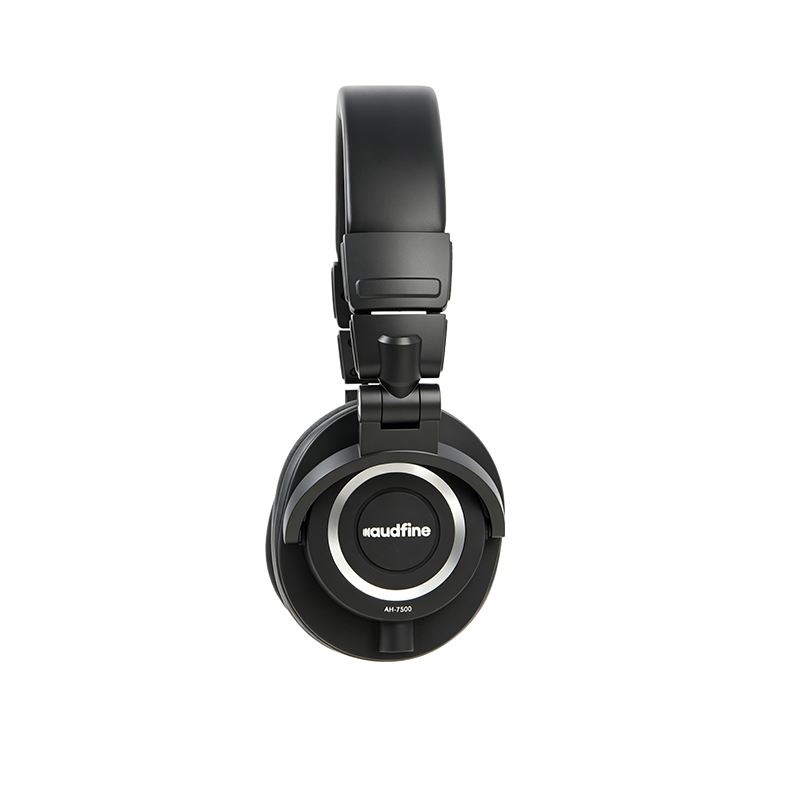
Choosing the right PA speaker can feel overwhelming given the vast array of options available on the market. From compact, single-unit systems to complex, multi-component rigs, the ideal choice depends entirely on your specific needs. Whether you are a musician, a public speaker, an event organizer, or just someone who loves powerful sound, understanding the key differences between various models is crucial. This guide will compare and contrast the most common types of public address systems to help you find the perfect match for your audio requirements.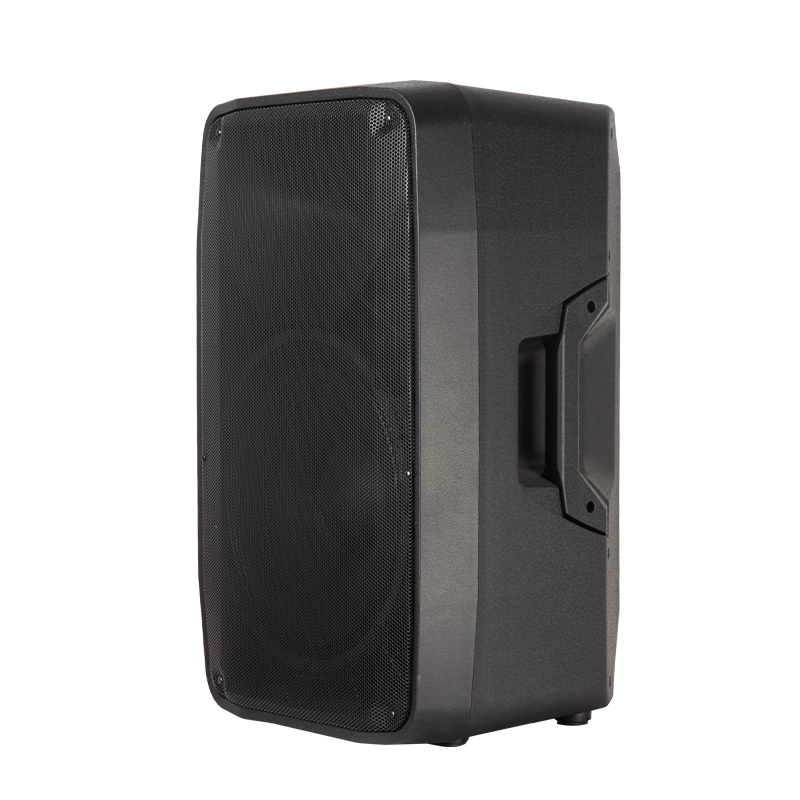
Powered vs. Passive: The Great Amplifier Debate
A fundamental distinction in the world of audio equipment is between a powered speaker and a passive one. A powered speaker, also known as an active speaker, comes with a built-in amplifier. This all-in-one design simplifies setup significantly; you just need to connect a power source and your audio input, and you're ready to go. This makes it an excellent choice for beginners and those who need a quick, hassle-free solution. In contrast, a passive loudspeaker requires a separate, external amplifier to drive the sound. While this adds complexity and an extra piece of equipment to transport, it offers greater flexibility for professionals who want to mix and match components to create a highly customized sound system.
Mobility Matters: The All-in-One Portable PA System
For many users, convenience and portability are top priorities. This is where the modern portable PA system truly shines. These systems are designed for life on the go, featuring rugged, durable exteriors and ergonomic handles for easy transportation. Unlike traditional setups that required separate speakers, mixers, and amplifiers, a contemporary portable speaker often integrates these components into a single, compact unit. This design philosophy not only saves space but also drastically reduces setup time. The alternative is a stationary system, which may offer more power but lacks the versatility needed for mobile gigs, outdoor parties, or presentations in various locations.
Connectivity and Control: Finding Your Perfect Sound
The features and connectivity options are where different systems truly diverge. A basic system might offer a single input, while more advanced models provide a sophisticated control panel with multiple channels. Look for systems with a variety of inputs like XLR, RCA, and ¼-inch options to connect everything from professional mixers to smartphones. For ultimate convenience, a bluetooth PA speaker allows for wireless streaming, eliminating cable clutter and offering incredible flexibility. Contrast this with wired-only systems, which, while reliable, tether you to your audio source. Furthermore, high-end units provide granular control over your sound with adjustable EQs for bass and treble, independent microphone volume knobs, and even built-in echo effects, allowing you to sculpt the audio to perfection for any environment.
Making the Final Choice
Ultimately, the best loudspeaker for you depends on a trade-off between simplicity, portability, and features. If you prioritize ease of use and quick setups, a powered speaker, especially an all-in-one portable PA system, is likely your best bet. If you need wireless freedom, a bluetooth PA speaker is a must-have. However, if you are an audio professional seeking maximum control and customization, a component-based passive system might be more suitable. By comparing these key aspects—power source, portability, and features—you can confidently select a PA speaker that will deliver clear, powerful, and reliable sound for any occasion.