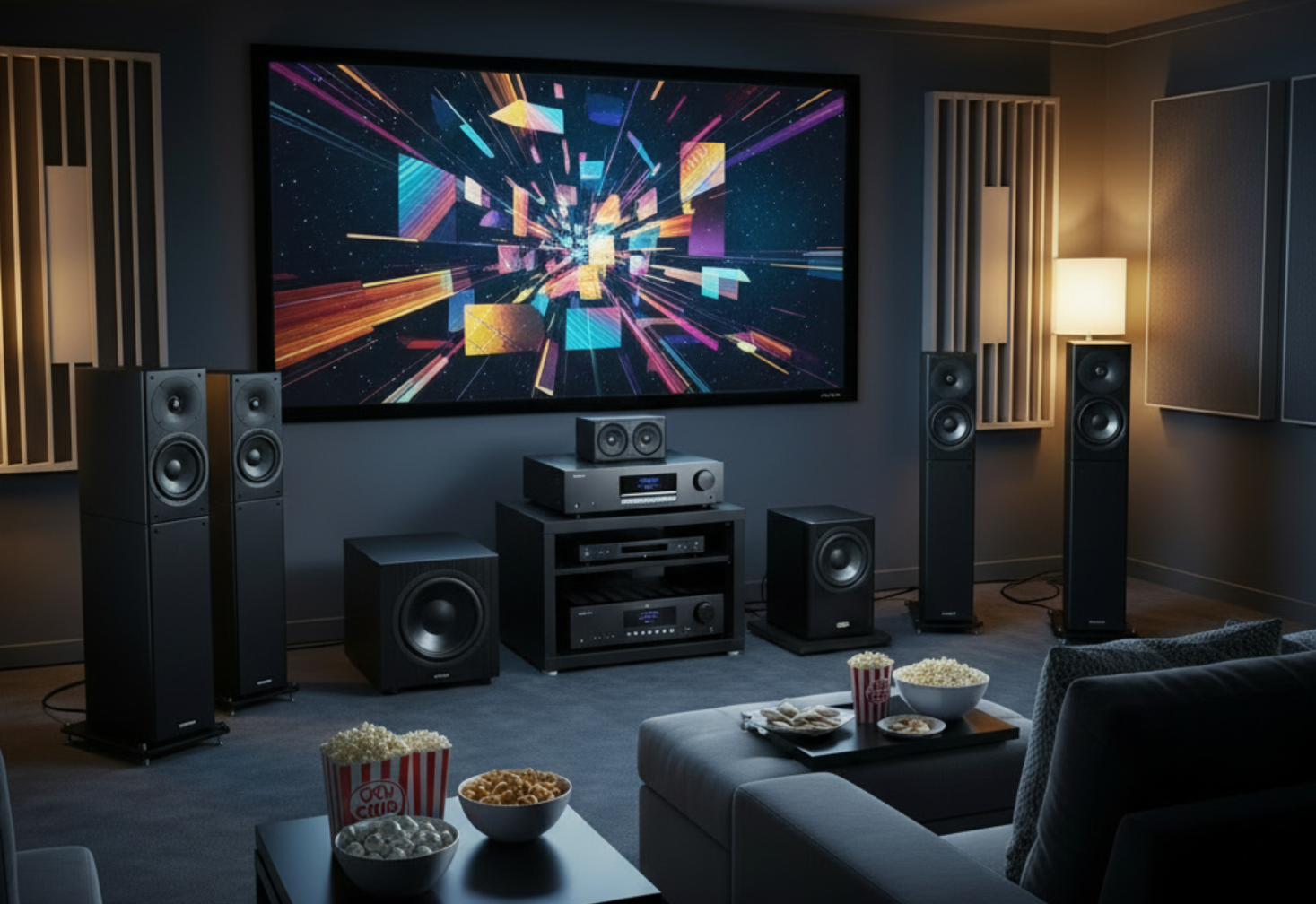
Maximize Home Cinema Sound with Passive Speaker Factory Expertise
The Modern Home Cinema Dilemma: Precision vs. Immersion
Home cinema systems have evolved rapidly, yet the core challenge remains unchanged—how to achieve immersive sound without losing acoustic precision. Many consumer-grade speakers prioritize volume and bass emphasis, often at the expense of detail and tonal balance. This leads to listener fatigue and distorted dialogue clarity during movies or gaming sessions.
The solution often lies not in digital processing alone, but in acoustically engineered hardware, where crossover networks, enclosure design, and driver matching are meticulously optimized—an area where the passive speaker factory continues to play a decisive role.
Acoustic Fundamentals: Why Passive Systems Still Dominate Fidelity
While active speakers dominate convenience-driven markets, passive designs maintain a key advantage: uncompromised control over acoustic architecture.
Inside a passive speaker, every component—woofer, tweeter, and crossover—forms a finely balanced circuit that allows for higher customization and more nuanced sound reproduction.
Core engineering principles include:
-
Mechanical Damping Optimization: Cabinet geometry and material composition minimize standing waves and resonance.
-
Crossover Network Precision: Passive filters are tuned to maintain natural phase alignment between frequency bands.
-
Driver Synergy: Matching sensitivity and impedance across transducers ensures smooth frequency transitions.
These physical elements give passive speakers their characteristic depth and warmth, essential for reproducing film soundtracks and orchestral dynamics authentically.
Comparing Approaches: Passive Engineering vs. Integrated Amplification
| Design Principle | Passive Speaker Factory | Active Speaker Design |
|---|---|---|
| Amplification | External amplifiers allow flexible pairing | Built-in amplifier limits adjustment range |
| Crossover Tuning | Analog components yield smooth transitions | DSP provides sharper digital precision |
| Maintenance | Simple and repairable | Requires electronic servicing |
| Longevity | 10–20 years with minimal degradation | Shorter lifespan due to internal electronics |
| Application Focus | Audiophile and home cinema systems | Studio, stage, and portable setups |
For dedicated home cinema installations, passive systems offer customizable integration with amplifiers, AV receivers, and room acoustics—allowing sound engineers and users to fine-tune each frequency zone.
Translating Engineering to Real Environments
The work done in a passive speaker factory translates directly into how home cinema systems perform in diverse spaces:
-
Living Rooms: Balanced two-way speakers deliver clarity in dialogue and musical passages.
-
Dedicated Home Theaters: Three-way floor-standing systems reproduce cinematic impact and surround immersion.
-
Compact Apartments: Wall-mounted or bookshelf designs reduce resonance while maintaining definition.
-
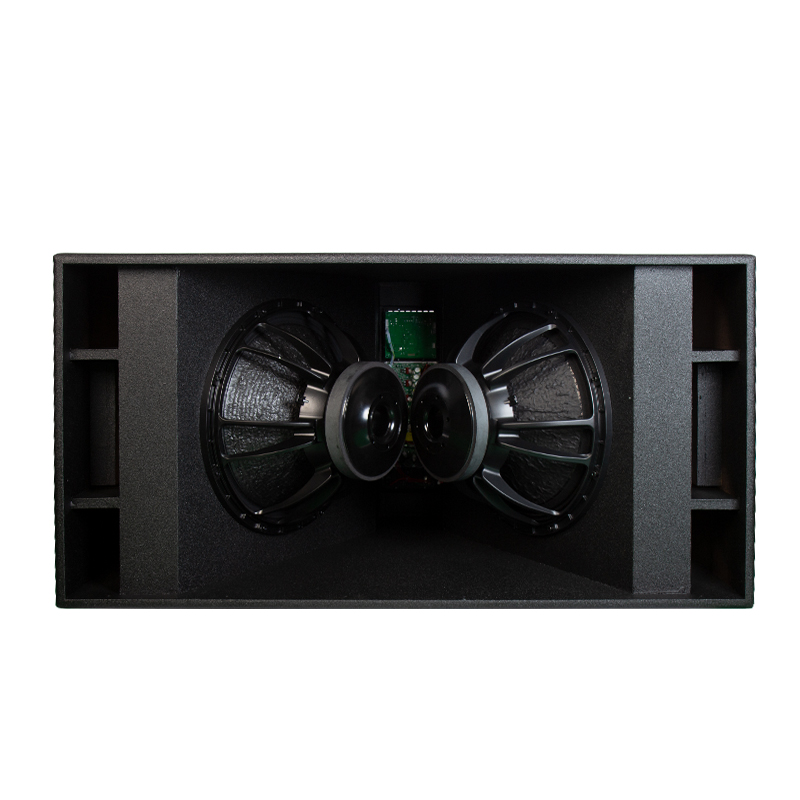
Hybrid Setups: Passive subwoofers extend low-frequency response without overpowering vocal detail.
By maintaining mechanical precision and electrical coherence, passive speakers achieve consistent realism across room sizes and acoustic conditions.
Professional Guidance: What Defines a Reliable Passive Speaker Factory
Selecting a speaker manufacturer for home cinema projects requires attention to engineering depth, not just aesthetic appeal. Key evaluation aspects include:
-
Crossover Calibration Expertise – Manual tuning of inductors and capacitors for phase accuracy.
-
Cabinet Design Competency – In-house CNC and acoustic simulation capabilities for resonance control.
-
Component Quality – Use of oxygen-free copper wiring, poly-capacitors, and neodymium drivers.
-
Testing Infrastructure – Anechoic chamber validation and real-room simulation before batch production.
-
System Integration Support – Ability to tailor impedance and sensitivity for amplifier compatibility.
These indicators separate genuine engineering-driven factories from mass-assembly manufacturers.
Our Core Advantage: From Structural Design to Acoustic Consistency
At Audfine, we focus on maintaining the physical and acoustic integrity of every passive system we produce.
-
Precision-Tuned Crossovers: Each filter is calibrated by frequency response testing to minimize phase deviation.
-
Acoustically Stable Cabinets: CNC-machined enclosures are internally damped and pressure-tested for tonal stability.
-
Driver Integration Engineering: Woofers and tweeters are paired for balanced soundstage and coherent dispersion.
-
OEM/ODM Adaptability: Modular crossover boards and enclosure customization support various amplifier configurations.
This systematic approach ensures our passive speakers deliver cinema-grade depth, tonal neutrality, and spatial realism, whether for compact living rooms or dedicated home theaters.
Final Perspective
While the market trends toward all-in-one solutions, the precision and craftsmanship of passive speaker factories remain central to high-fidelity sound reproduction. Their mechanical stability, long service life, and customizable acoustic tuning continue to make them indispensable in home cinema design.
To explore engineered speaker systems tailored for your acoustic space, visit Audfine Homepage or reach out via Contact Us.