Monitor Headphones for Guitarists: Precision Listening for Every Note
The Tonal Accuracy Dilemma Facing Guitar Players
Every guitarist knows that tone is everything. Whether it’s the subtle resonance of acoustic strings or the aggressive punch of a distorted riff, each detail matters. Yet consumer headphones often exaggerate bass or treble, making it difficult to hear the instrument as it truly sounds. This lack of accuracy can mislead guitarists during practice, mask string noise, or distort their perception of dynamics—problems that become obvious later in recording or performance.
Engineering for Authentic Guitar Tone Reproduction
Unlike casual headphones, monitor headphones are built for neutral and accurate sound reproduction. Their flat frequency response allows guitarists to hear the instrument without coloration. This means:
-
Fingerpicking patterns retain natural warmth without losing clarity.
-
High-gain effects like distortion can be evaluated precisely without sounding artificially sharp.
-
Subtle elements such as reverb tails or amp hum become noticeable, enabling corrective adjustments.
With this authenticity, guitarists can trust their ears whether working on tone shaping, practicing timing, or preparing for studio sessions.
Technical Considerations When Selecting Monitoring Gear
Choosing the right headphones requires attention to technical factors that directly impact usability:
-
Impedance: Low-impedance models pair easily with practice amps and audio interfaces, while high-impedance designs need dedicated amplification.
-
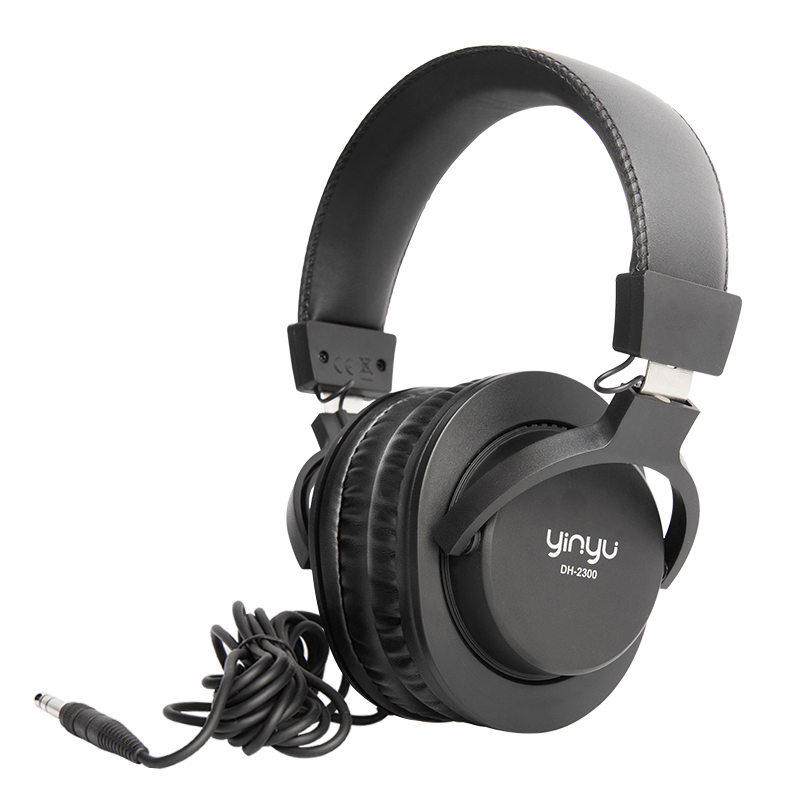
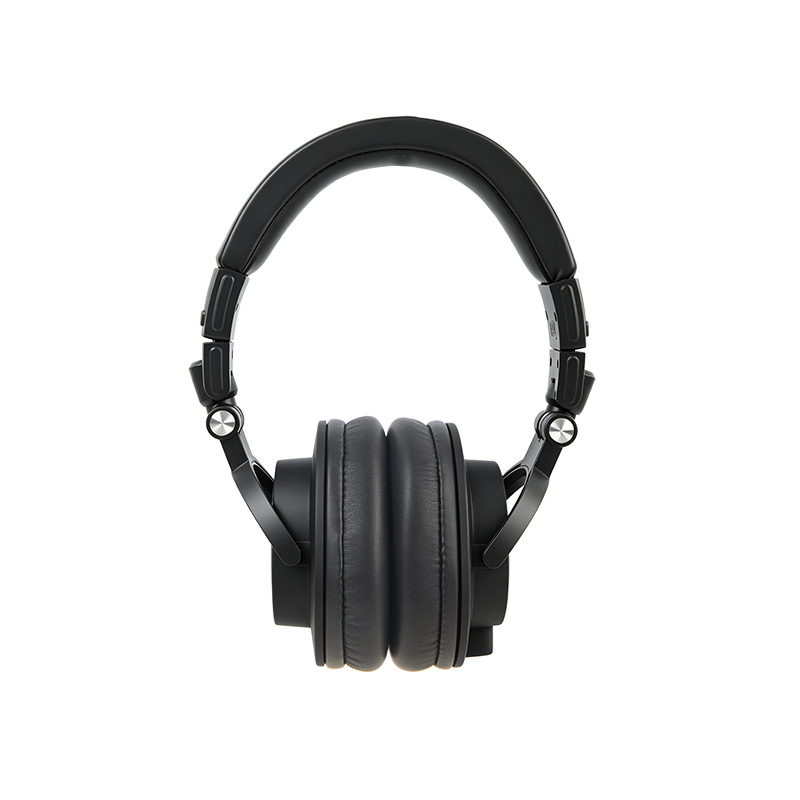
Closed-Back vs. Open-Back: Closed-back headphones offer isolation during tracking and practice, while open-back models deliver a wider, more natural soundstage suited to mixing.
-
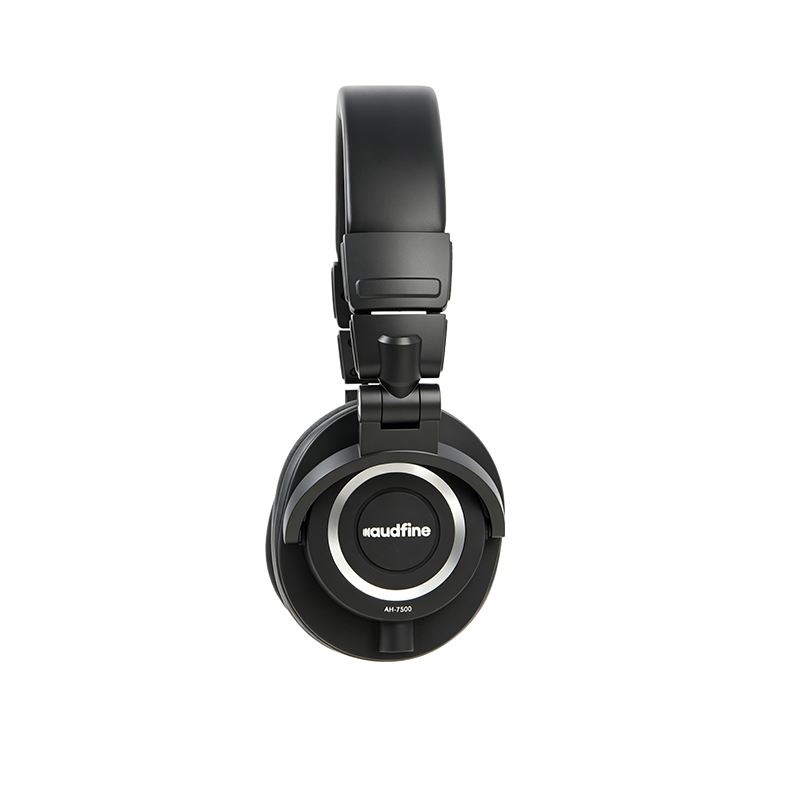
Comfort and Build Quality: Extended rehearsals demand lightweight frames, breathable cushions, and robust hinges to withstand daily use.
| Feature | Importance for Guitarists |
|---|---|
| Flat Frequency Response | Preserves guitar’s true tonal balance |
| Open/Closed Design | Suits either isolation or natural soundstage needs |
| Comfort | Reduces fatigue in long practice/recording sessions |
| Impedance Matching | Ensures compatibility with amps/interfaces |
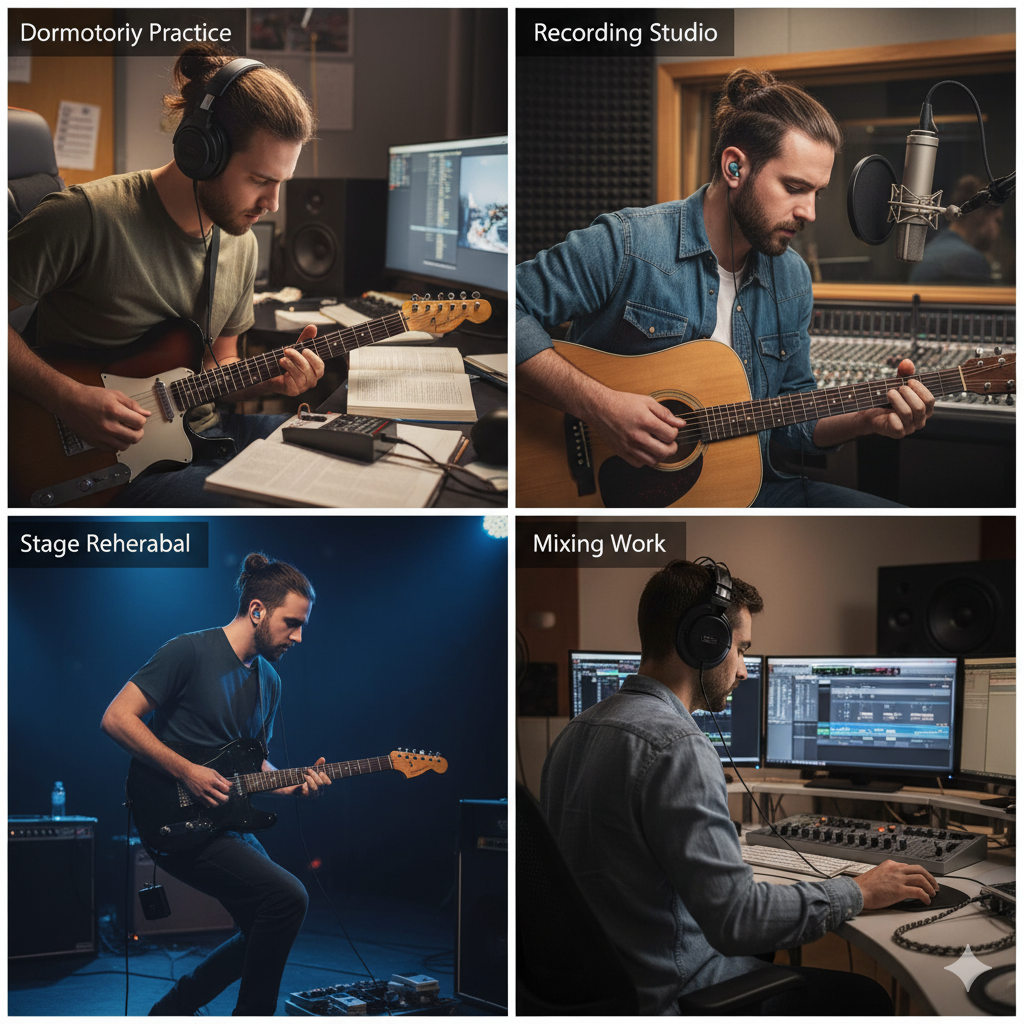
Application Scenarios: From Silent Practice to Studio Sessions
The value of monitoring headphones becomes clear across real environments:
-
Silent Practice at Home – Guitarists can rehearse late at night without disturbing roommates while still hearing the full tonal spectrum.
-
Studio Recording – Closed-back headphones prevent microphone bleed, keeping guitar takes clean and professional.
-
Stage Preparation – Musicians can fine-tune pedalboards and amp settings privately before connecting to full PA systems.
-
Mixing and Demo Creation – Open-back models allow guitar parts to be balanced naturally alongside other instruments.
These scenarios show how monitoring headphones adapt to both casual and professional workflows.
Practical Buyer Insights: Matching Headphones to Guitar Workflows
Not all monitoring headphones suit every guitarist equally. Buyers should align features with their workflow:
-
For Students or Hobbyists – Affordable closed-back models that combine durability with reliable tone.
-
For Recording Guitarists – High-isolation headphones with precise midrange response to capture every note accurately.
-
For Touring Musicians – Rugged builds with foldable frames for easy transport.
-
For Producers or Mix Engineers – Open-back headphones offering a transparent, wide soundstage.
This alignment ensures that investments deliver both immediate benefits and long-term reliability.
FAQ: Addressing the Concerns of Guitar Professionals
Q1: Can regular consumer headphones replace monitor headphones?
Not effectively. Consumer headphones color sound, while monitor headphones provide the transparency required for accurate tone shaping.
Q2: Which design works better—open-back or closed-back?
Closed-back is best for isolation and tracking; open-back excels at mixing and critical listening where natural imaging is key.
Q3: Do I need a headphone amplifier for guitar practice?
Only for high-impedance models. Many modern interfaces and amps already provide sufficient power for low-impedance designs.
Why Monitoring Headphones Are a Guitarist’s Silent Partner
Monitor headphones do more than deliver sound—they provide clarity, control, and confidence. They allow guitarists to practice silently without compromise, to record cleanly without bleed, and to fine-tune their tone with accuracy. At Audfine, our monitoring solutions are designed to combine precision with comfort, making them the silent partner every guitarist needs in their journey—from bedroom practice to professional studios and live rehearsals.
Ready to elevate your guitar sessions with professional monitoring? Explore more on our Homepage or Contact Us.