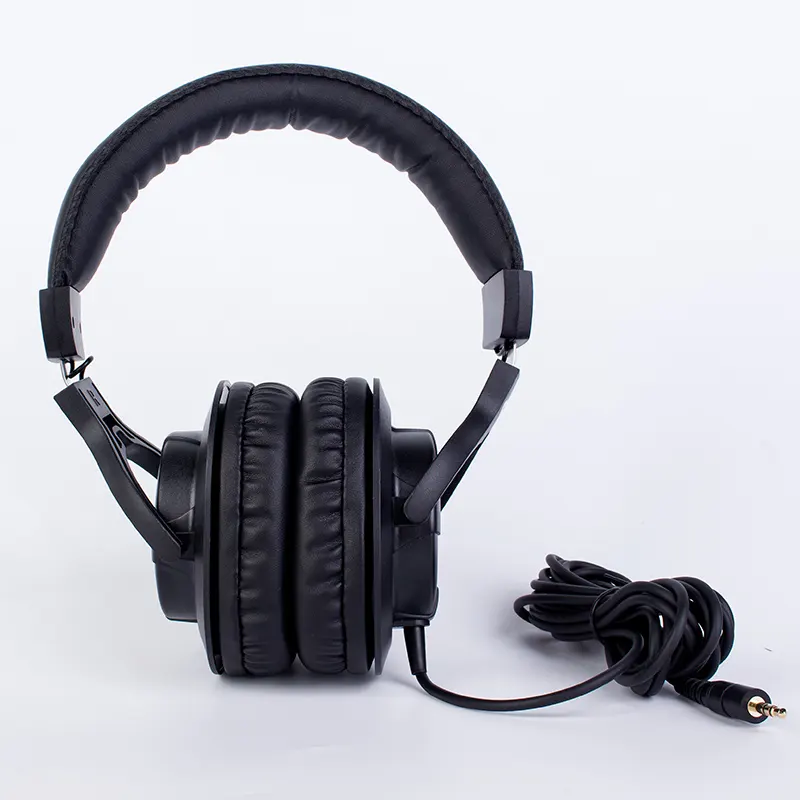
Why the Headphone Factory is Revolutionizing Audio Quality
Understanding the Core Problem: Inconsistency in Modern Listening
The global headphone market has expanded rapidly, but consistency and accuracy remain persistent challenges. Many mass-produced models prioritize cost reduction and visual design over acoustic precision. As a result, users often experience imbalanced frequencies, harsh highs, or weak midrange response—especially noticeable when switching between consumer and professional gear.
This inconsistency has driven a shift in manufacturing philosophy: from aesthetic-focused production to acoustically engineered precision, a transformation led by today’s advanced headphone factories.
Inside the Engineering Process: Where Sound Takes Shape
In a modern headphone factory, acoustic performance begins long before assembly. Each stage—from diaphragm material selection to housing resonance control—is governed by data and simulation.
Key engineering principles include:
-
Driver Matching: Left and right units are frequency-matched within ±1 dB for accurate stereo imaging.
-
Acoustic Chamber Optimization: Internal damping materials are calibrated to control standing waves and resonance peaks.
-
Magnet and Coil Precision: Voice coils are wound with micro-tolerance accuracy to ensure consistent magnetic flux and transient response.
-
DSP and Acoustic Integration: Digital calibration compensates for micro-variations in driver output, ensuring tonal balance across production batches.
This multi-layered control transforms headphones from aesthetic consumer products into precision acoustic instruments.
Passive vs. DSP-Calibrated Designs: A Shift in Manufacturing Focus
| Feature | Traditional Headphones | Modern DSP-Enhanced Headphones |
|---|---|---|
| Tuning Method | Manual acoustic damping | Digital EQ and time alignment |
| Driver Matching | Mechanical matching only | Frequency & phase calibrated electronically |
| Acoustic Consistency | Varies between units | Factory-verified to standardized curve |
| User Adjustment | Fixed tonal character | Adaptive tuning via firmware |
| Manufacturing Complexity | Lower | Higher precision and QA standards |
This evolution represents more than technological progress—it marks a change in audio philosophy, where precision, not mass production, defines product quality.
Real-World Implementation: Adapting to Diverse Listening Environments
The value of these engineering advancements is best observed across use scenarios:
-
Studio Monitoring: Flat-response designs allow engineers to identify frequency masking and balance tracks accurately.
-
Gaming & Esports: 3D spatial tuning enhances positional audio, improving reaction time and immersion.
-
Commuting & Travel: Adaptive noise control balances isolation and comfort for extended listening.
-
Audiophile Listening: Open-back models leverage airflow design for authentic, natural soundstage reproduction.
These applications highlight how advanced headphone factories are bridging the gap between technical precision and user experience.
Guidance for Buyers and Professionals
When evaluating manufacturers or sourcing partners, attention should be placed on measurable performance indicators rather than branding claims:
-
Acoustic Testing Infrastructure – Presence of anechoic chambers and frequency measurement rigs.
-
Material Control Systems – Verified sourcing of diaphragms, magnets, and damping components.
-
Production Consistency – Use of automated driver pairing and real-time quality data logging.
-
Firmware Support Capability – Factories offering DSP update functionality ensure longer product lifecycles.
-
OEM Integration Capacity – The ability to customize impedance, frequency targets, and housing materials for professional use.
This data-driven approach enables buyers to distinguish between assembly plants and true acoustic manufacturers.
Our Distinctive Strength: Precision Engineering from Concept to Calibration
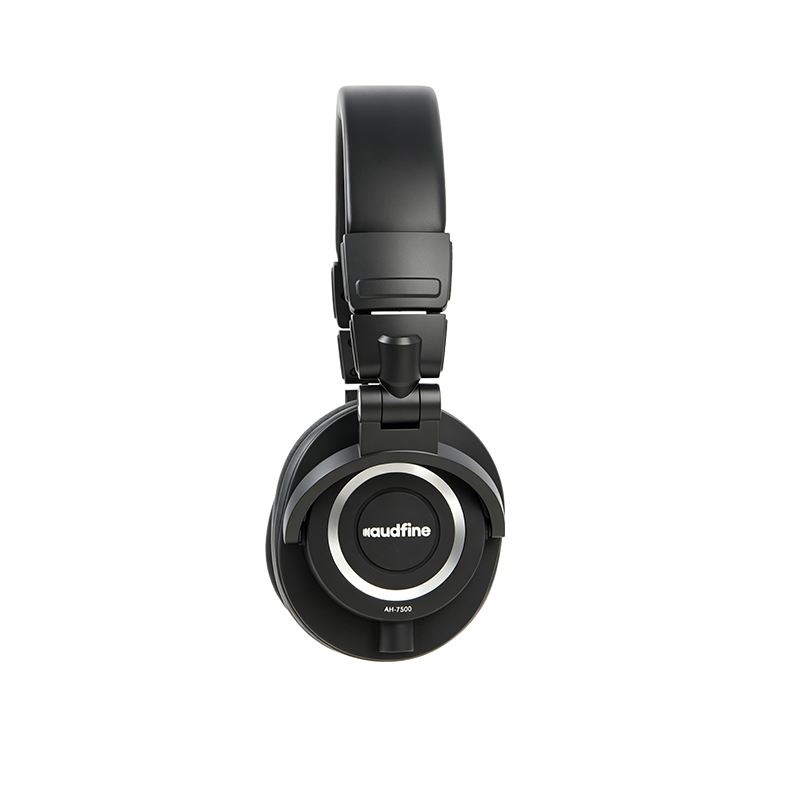
At Audfine, every headphone system is developed under a unified engineering framework that combines acoustic simulation, material science, and DSP control.
-
Matched Drivers: Each pair is tested for channel balance within tight tolerances before packaging.
-
Acoustic Enclosure Design: Shell geometries are modeled to minimize resonance and achieve consistent low-end control.
-
Smart DSP Calibration: Our systems can adapt to different tonal profiles for professional or consumer use cases.
-
OEM/ODM Collaboration: Flexible development pipelines allow custom driver tuning and housing configuration.
This integrated approach ensures that every unit leaving the factory reflects the same acoustic identity—accurate, balanced, and ready for diverse environments.
Final Perspective
Modern headphone factories are not merely manufacturing sites—they are acoustic laboratories where physics and craftsmanship intersect.
Through advanced measurement systems, precision assembly, and digital calibration, they are reshaping what “audio quality” truly means in both studio and consumer contexts.
To learn more about engineered headphone solutions designed for clarity and reliability, visit Audfine Homepage or reach out through Contact Us.