Tweeter Speaker is a critical component in audio systems, responsible for reproducing high-frequency sounds that bring music and sound effects to life with clarity and precision. This essential part of speaker setups ensures that treble notes are handled effectively, providing an immersive listening experience in various applications from home theaters to professional studios. Understanding the intricacies of Tweeter Speaker involves exploring its design, functionality, and integration with other audio elements to achieve optimal sound quality.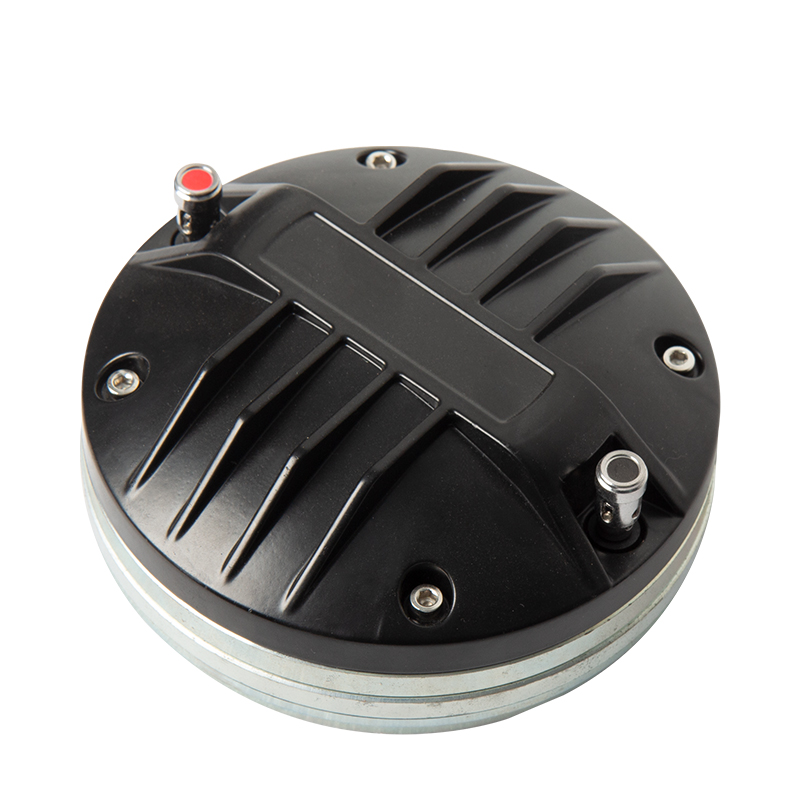
Understanding High-Frequency Driver
High-Frequency Driver is a key element in the Tweeter Speaker assembly, designed to convert electrical signals into sound waves at the upper end of the audible spectrum. This driver typically operates above 2,000 Hz, focusing on frequencies that human ears perceive as sharp and detailed. High-Frequency Driver mechanisms often involve lightweight diaphragms made from materials like silk or titanium, which allow for rapid vibrations without distortion. In technical terms, the efficiency of a High-Frequency Driver is measured by its ability to handle high amplitudes while maintaining low harmonic distortion. For instance, in a standard audio setup, the High-Frequency Driver ensures that cymbals and vocal highs are reproduced accurately. Engineers must consider factors such as impedance and power handling when selecting a High-Frequency Driver for integration, as these affect overall system performance.
Exploring High-Frequency Speaker
High-Frequency Speaker, often synonymous with tweeters, specializes in delivering clear and crisp high-end audio frequencies. This type of speaker is engineered to complement mid-range and bass drivers in a multi-way speaker system, ensuring a balanced sound output. High-Frequency Speaker designs can vary, with some utilizing dome shapes for wider dispersion and others employing planar designs for focused beams. From a technical standpoint, the frequency response curve of a High-Frequency Speaker is crucial, as it determines how faithfully it reproduces sounds up to 20 kHz or more. In practical applications, such as concert sound systems, the High-Frequency Speaker must withstand high volumes without fatigue, which is achieved through advanced materials and cooling mechanisms. Overall, the High-Frequency Speaker enhances the audio fidelity, making it indispensable in high-resolution audio playback.
The Role of Horn Tweeter
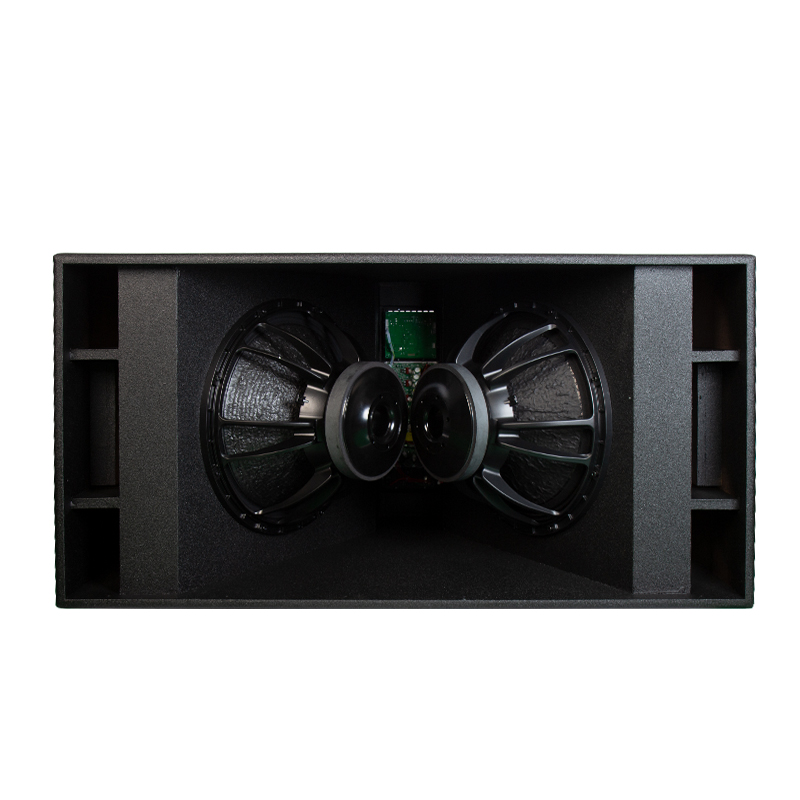
Horn Tweeter is a specialized variant of Tweeter Speaker that uses a horn-shaped waveguide to direct sound waves more efficiently. This design amplifies the output of the driver by increasing acoustic impedance, resulting in higher sensitivity and better projection over long distances. Horn Tweeters are commonly found in public address systems and live sound reinforcement due to their ability to cover large audiences with minimal power loss. Technically, the horn's flare rate and mouth size impact the dispersion pattern, allowing for precise control over sound coverage angles. For example, a Horn Tweeter with a 90-degree horizontal dispersion can evenly distribute high frequencies across a room. This technology not only improves efficiency but also reduces the strain on amplifiers, making Horn Tweeter a preferred choice in professional audio engineering.
Compression Driver Tweeter Explained
Compression Driver Tweeter operates by compressing air through a narrow throat, which then expands into a horn or directly radiates sound, providing high output levels with excellent transient response. This design is particularly effective for high-frequency reproduction, as it minimizes phase issues and enhances clarity in demanding environments. Compression Driver Tweeters are often used in cinema systems and touring rigs because of their robustness and ability to handle high power inputs. From an engineering perspective, the diaphragm material and voice coil size in a Compression Driver Tweeter directly influence its frequency range and distortion characteristics. For instance, using a titanium diaphragm can extend the upper frequency limit while maintaining durability. This makes Compression Driver Tweeter ideal for applications requiring precise high-frequency detail without compromising on volume.
Tweeter Frequency Response Analysis
Tweeter Frequency Response refers to the range of frequencies a Tweeter Speaker can accurately reproduce, typically from about 2 kHz up to 20 kHz or beyond. Analyzing this response involves measuring output levels across the spectrum to identify peaks, dips, and overall linearity, which are critical for sound quality. A flat frequency response in a Tweeter Speaker ensures that all high frequencies are rendered without exaggeration or attenuation, leading to a more natural audio experience. Techniques like anechoic chamber testing are employed to evaluate Tweeter Frequency Response under controlled conditions, helping manufacturers optimize designs. Factors such as crossover points and enclosure materials can affect this response, so engineers often use software simulations to fine-tune performance. In summary, understanding and optimizing Tweeter Frequency Response is essential for achieving high-fidelity audio in any setup, from consumer electronics to professional installations.
In conclusion, the Tweeter Speaker and its associated components play a pivotal role in modern audio technology, ensuring that high-frequency sounds are delivered with precision and clarity. By integrating elements like High-Frequency Driver and Horn Tweeter, audio systems can achieve superior performance tailored to specific needs.